

The mission at the southern border depends not just on physical presence, but on actionable intelligence. Across nearly 2,000 miles of rugged and unforgiving terrain, U.S. Border Patrol agents face threats that range from life-or-death rescue operations to dangerous encounters with trafficking organizations and cartel activity. Compounding these physical realities is an accelerating data challenge: hundreds of drones, cameras, sensors, and automated devices generate a relentless stream of information that agents must process, analyze, and act upon every single day.
It’s against this backdrop that the data challenges associated with securing the border become part of the evolving challenge. Today we can gather more information on more challenges from more sources at unprecedented speed. Yet situational awareness is made exponentially more complex when both the operational landscape and the standards for awareness are continually evolving.
I joined GDIT after 26 years with the U.S. Border Patrol with the goal of driving efficiencies for agents. Doing that requires a deep understanding of the mission – of everything that agents are tracking and how and why – and the need to offer capabilities that are as dynamic as the border situation itself. It requires the agency to have mission partners who understand the challenges while also bringing best-in-class commercial solutions to bear.
Human Judgement Working Alongside Automation
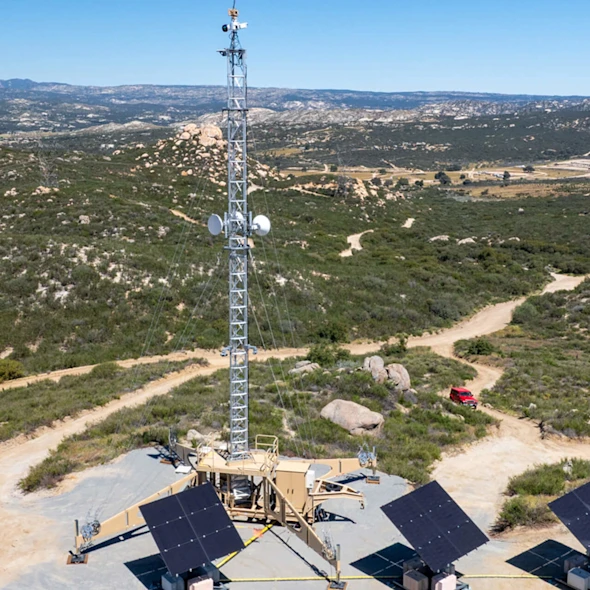
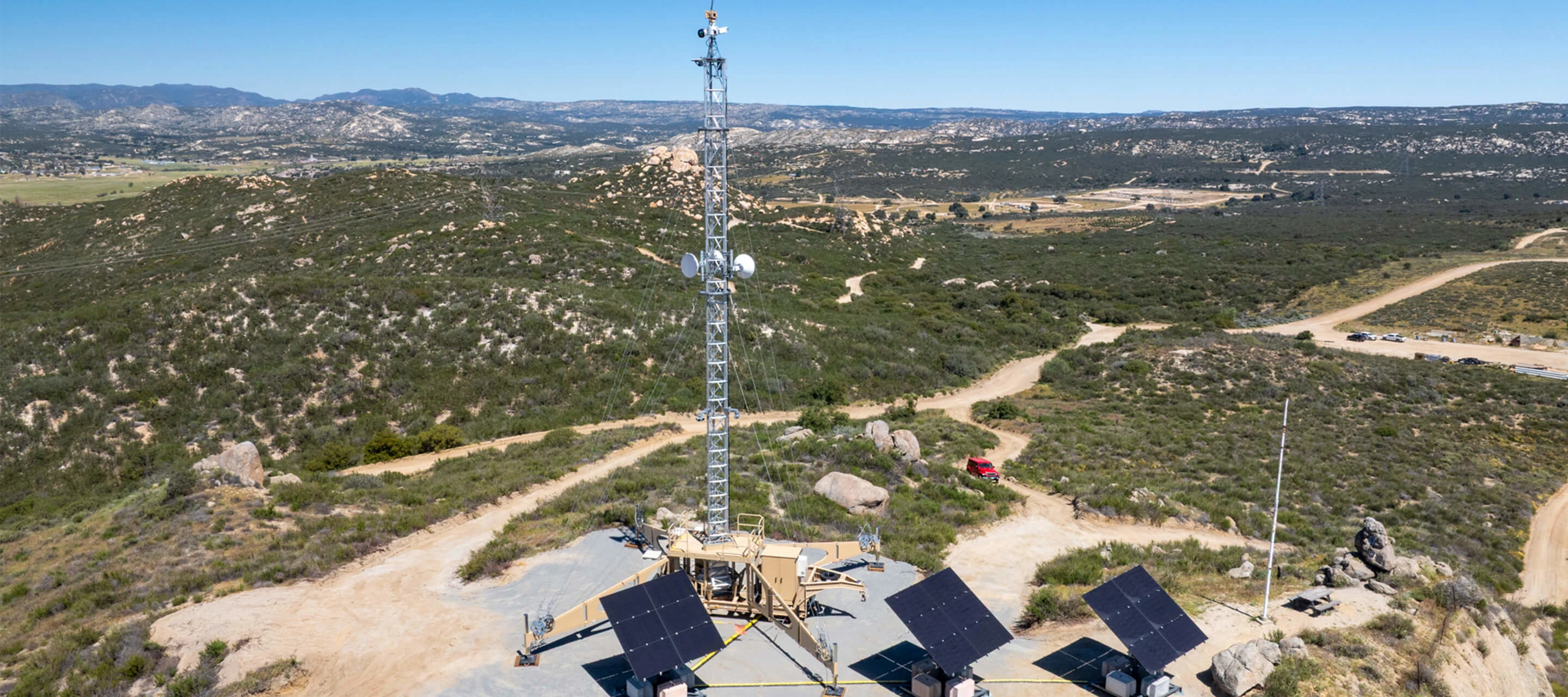
Automation has changed the game in terms of collection and analysis capabilities, but having a human in the loop is still essential. As an example, our Relocatable Autonomous Surveillance Towers monitor a given environment over long ranges without the need for constant operator oversight. The system prioritizes alerts and delivers actionable intelligence to the human analyst in real time. This reduces operator workloads, accelerates decision-making, enhances situational awareness and safety, and allows border personnel to focus on critical field operations.
These types of solutions that gather and assess data and then present information to decision-makers are exactly the type of mission-driven capabilities that systems integrators should be bringing to the table. Shrinking the time from detection to response is so critically important. The data volumes won’t get smaller – quite the opposite. Our response must be to match the speed with which data comes in, to the speed with which we’re able to respond. And we’re getting there.
Artificial Intelligence as a Force Multiplier
Artificial Intelligence capabilities mean teams are turning reactive monitoring activities into proactive responses. It’s a force multiplier when you need more people in the field but don't have the resources to put them there and it makes the agents you do have more effective. AI is changing what awareness means because it changes how and what we monitor and expands the threat landscape we can assess.
The role of a systems integrator is to evaluate available commercial technologies, or to build their own, and to make recommendations for mission and customer environments. When those recommendations are paired with decades of on-the-ground expertise, you create a situation where customers and mission partners can envision, build and deliver the art of the possible together. And when the mission is as critical as it is on the border, there’s no other way to operate.