

When the topic of border security arises, most people immediately think of the United States’ Southern border. The nearly 2,000 mile stretch of land between the U.S. and Mexico is a daily focus for national and homeland security efforts, protected across vast and varied terrain. Less recognized is the Northern border, which presents those same types of mission needs and is nearly twice as long, encompassing the contiguous northern border of almost 4,000 miles and the Alaskan-Canadian border of an additional 1,500 miles.
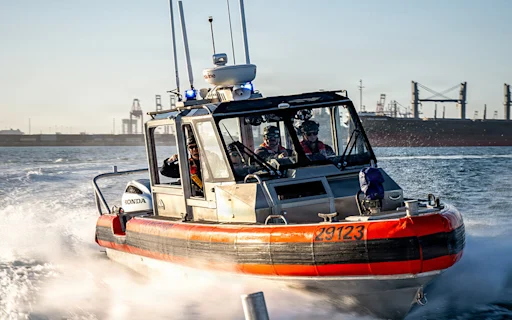
U.S. Border Patrol and Air and Marine Operations (AMO), within U.S. Customs and Border Protection (CBP), are responsible for securing both the Northern and Southern U.S. borders. Along both, CBP deploys aircrafts, vessels and surveillance technology while collaborating with other agencies to keep our borders secure. The vast scale and remoteness of the Northern border make its security a resource-intensive mission, and CBP has continued to invest in its people and technology to meet it.
Technology, ruggedized for the locale and paired with operational capacity for analysis and response, has the potential to dramatically impact the mission at the Northern border. Here’s how:
Technology to Add Operational Efficiency and Capacity
At the Northern border, the vastness of the challenge can be illustrated in sheer miles. There are massive stretches of remote, rugged terrain. There are dense forests, tall mountains, fast-moving rivers and major lakes, and many areas with no infrastructure to speak of – no roads for agents to patrol. On top of that, a single agent can have a massive area of responsibility, one that is impossible to traverse in a single shift.
In terrain like this, agent experience has shown that surveillance technology is more impactful than physical barriers like walls or sensors. Following a sensor alert, it may take hours for an agent to get to a location and respond. It’s better to have awareness of movements at the border to understand what objects of interest may be present and then forward deploy assets to intercept it further inland. This is where tools like unmanned aerial devices, automated image captures and AI-assisted examinations of satellite imagery are having a meaningful impact on the mission.
Ruggedizing Technology for the Mission and the Locale
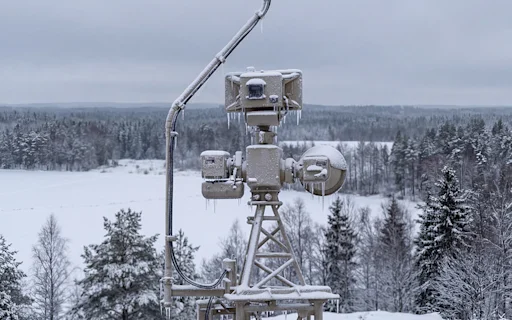
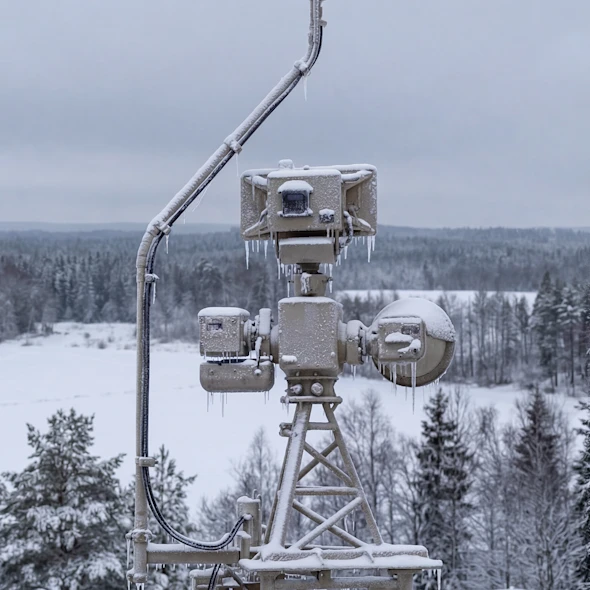
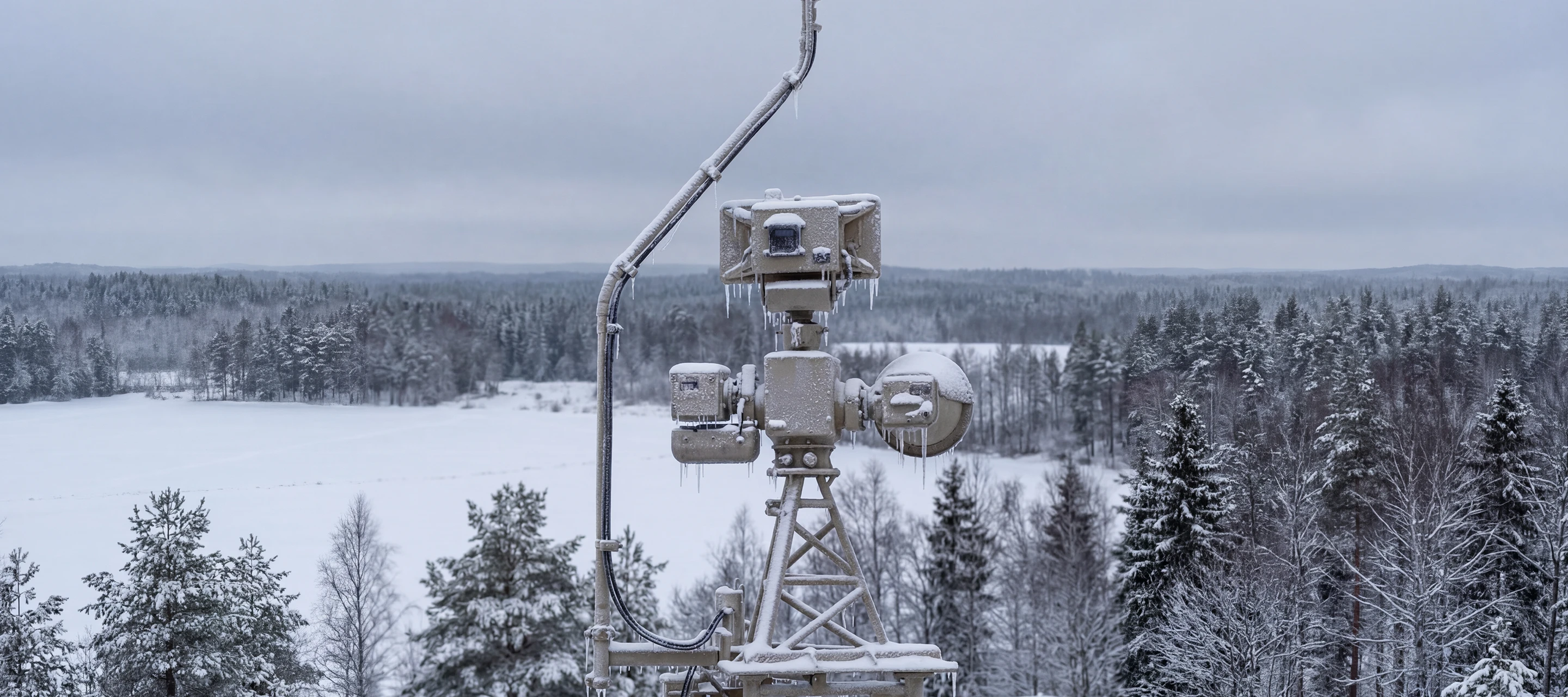
While technologies like those used along both the Northern and Southern border are transformative, they must be ruggedized to perform at extreme conditions in the field at each locale.
For example, towers, sensors and automated devices deployed along the Northern border must be able to withstand both incredibly cold and incredibly warm temperatures. They must operate in low-light visibility for hours on end, and, because of the remoteness of the terrain, they must be secured against interference from individuals and wildlife alike. This all takes careful planning and foresight, and a mission partner with domain expertise and experience to ensure all technology is performing optimally.
Operationalized Technology for Analysis and Response
Even with the right technology, ruggedized for the conditions, the mission still demands the analytic capacity absorb information gathered from the field. Monitoring devices create massive amounts of data to mine, and automation alongside human analysis can ensure that the limited available manpower necessary to respond is deployed effectively and efficiently.
Meeting the mission at the border is about more than technology alone. It’s about correctly operationalizing it to gather, assess and act on incoming data and information, whether from classified alerts, suspicious activity reports or monitoring devices in the field.
As is the case with most things, technology turns limited manpower into amplified operational reach. At the Northern border, it can deliver wider situational awareness and reduces the need for manual patrols. It allows teams to focus on high-value investigations within an area of responsibility, prioritize response activities and deploy resources more effectively. And when this technology is hardened and utilized alongside skilled personnel, every analyst becomes exponentially more effective.